🐝 National Pollinator Week | June 16–22
Create Beauty. Support Pollinators. Strengthen Your Landscape.
Pollinators are responsible for one out of every three bites of food we eat—and they play a vital role in keeping our ecosystems healthy and thriving.
This National Pollinator Week, we’re celebrating the bees, butterflies, hummingbirds, and other beneficial pollinators that bring life to our landscapes.
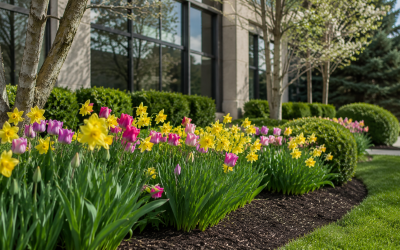
A professionally designed pollinator garden does more than add color and seasonal interest to your property. It creates a habitat that supports local wildlife while enhancing the beauty and biodiversity of your outdoor space.
Benefits of a Pollinator Garden:
🌼 Supports bees, butterflies, and hummingbirds
🌿 Features native plants adapted to our region
💧 Requires less water and maintenance once established
🌎 Promotes a healthier, more sustainable environment
🎨 Delivers season-long color and visual interest
Whether you’re looking to add a dedicated pollinator bed or incorporate pollinator-friendly plants into your existing landscape, our team can help design a garden that is both beautiful and beneficial.
Let’s work together to create landscapes that look good—and do good.
Happy National Pollinator Week from the team at Balanced Environments.