Eco-Friendly Landscaping that Pollinators love
(and Deer don’t)
Invite Butterflies In
National Pollinator Week is June 23-29, and at Balanced Environments, we’re celebrating with purpose. Our team designs and installs pollinator-friendly gardens that support biodiversity, restore ecological balance, and bring natural beauty to your landscape.
Pollinators like bees, butterflies, and hummingbirds play a critical role in maintaining healthy ecosystems and food chains—but they’re facing steep declines. Butterfly populations alone have dropped more than 20% in the past two decades, and the Eastern monarch has declined by an alarming 80% since the 1980s.
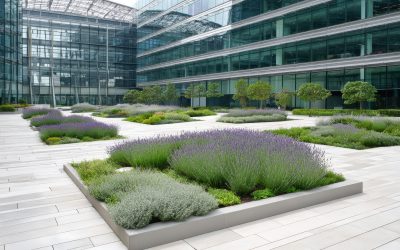
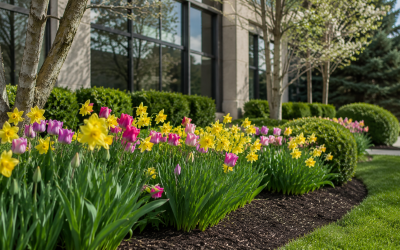
By planting native, nectar-rich species such as milkweed, blazing star, and coneflower, your garden becomes a thriving sanctuary. These gardens attract and sustain pollinators, encourage biodiversity, reduce chemical dependency, and add life, color, and movement to your space.

Keep Deer Out—Naturally
While pollinators are essential allies, deer can be an ongoing challenge for land managers. Graceful and beautiful, they are also notorious for browsing ornamental beds, new plantings, and restoration areas—often overnight.
Balanced Environments offers deer-resistant garden designs that allow you to enjoy vibrant, healthy landscapes without constantly replacing damaged plants. Many native species have evolved alongside local wildlife and developed natural deterrents, including bitter-tasting leaves, prickly or hairy textures, and even chemical compounds that make them less appetizing. Plants like bee balm, yarrow, and switchgrass provide beauty while discouraging unwanted grazers.
In addition to careful plant selection, we use design strategies that reduce deer pressure without resorting to fences. This includes placing more vulnerable species among tougher ones, using scent deterrents, and integrating natural barriers like boulders, dense shrubs, or textured hardscapes.
With thoughtful planning, it’s possible to create a landscape that thrives on its own terms—welcoming pollinators while keeping deer at bay.

Deer in Garden

Milkweed

Bee Balm