Beyond Accessibility:
Inclusive Design for Neirodiversity and Brain Health
June is Alzheimer’s & Brain Awareness Month, a time to recognize the importance of cognitive health—and how our environments can support it.
We recently wrapped up a powerful session through Suburban BOMA, featuring Olivia Danielson-Veed from HOK, who shared forward-thinking insights on creating inclusive spaces for neurodiverse individuals.
Eye-opening facts:
- 1 in 5 people (20%) require a neurodivergent accommodation
- 70% of neurodiversity-related disabilities are invisible
- Only 18% of the population lives with a physical disability
This month, we’re reflecting on how the design of both indoor and outdoor environments affects brain health, cognitive support, and emotional well-being.
So we’re asking: How is your workplace—and the landscape around it?
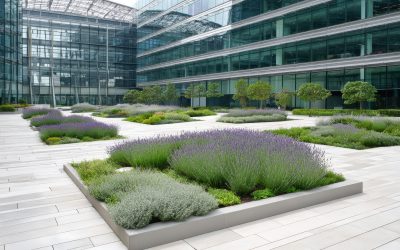
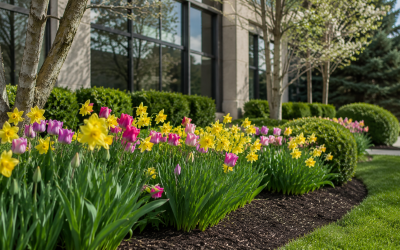
At Balanced Environments, we design outdoor spaces that go beyond aesthetics:
- Sensory-sensitive zones for focus and calm
- Wayfinding through natural elements
- Therapeutic landscapes that promote cognitive engagement and stress reduction
It’s time to go beyond accessibility—and design with empathy, intention, and awareness.

Therapeutic Landscapes

Sensory Sensitive Zones

Natural Elements