No Mow May – Debunked & Reimagined
The Truth about Lawns, Pollinators and Sustainable Landscapes
You’ve probably heard the buzz: “Don’t mow your lawn in May to help the bees.” It’s a catchy message—but the science, and your landscape, deserve more thoughtful care.
At Balanced Environments, we believe in pollinator protection backed by ecological knowledge—not lawn neglect. Let’s cut through the noise.
The Problems with “No Mow May”
- Tall grass ≠ healthy habitat. Most turf grasses don’t offer blooms or nesting areas for bees.
- Weeds aren’t wildflowers. Letting turf go unmanaged can promote invasive species rather than native, beneficial plants.
- Poor maintenance causes stress. Skipping early-season care can damage turf, attract pests, and require harsher fixes later.
A Smarter, More Sustainable Approach
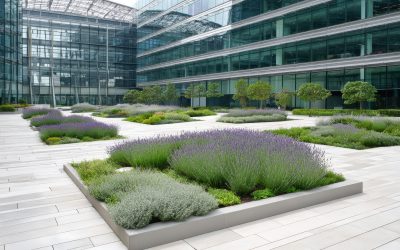
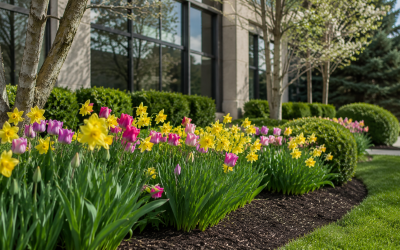
- Plant real pollinator-friendly species like coneflower, milkweed, bee balm, creeping thyme, and native violets.
- Convert part of your lawn to a native garden zone or “bee lawn” with low-growing flowers like white clover and selfheal.
- Mow mindfully. Research shows mowing every 2–3 weeks supports bee diversity and floral growth without sacrificing aesthetics.
- Think bigger than one month. Consider season-long reduced mowing strategies.
- Embrace integrated, eco-intelligent landscape care that benefits pollinators, people, and property values.
Did You Know?
- Lawns make up 40 million acres—2% of U.S. land—making them the largest irrigated “crop” we grow.
- Reducing mowing frequency can increase bee abundance, plant diversity, and even cut landscape costs by up to 36%.
- If just 10% of lawns were converted to pollinator-friendly habitat, we’d gain 4 million acres of ecological value.
Bottom Line: Mowing less can help—but only when paired with thoughtful planting and ecological design. True sustainability is more than letting grass grow.
Let’s design landscapes that thrive year-round—for people, pollinators, and the planet.
Schedule a Sustainable Landscape Consultation